




Base Material Type
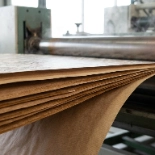
Paper-based Laminates
Low-cost + highly flame-retardant + suitable for use within the temperature range of 40°C to 70°C.
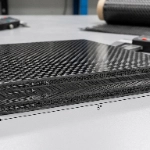
Composite Laminates
Easy to process + low cost, + good performance.
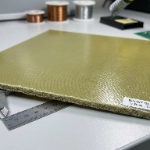
Epoxy Glass Cloth(FR-4)
Exceptional mechanical strength, electrical properties, and high-temperature resistance.
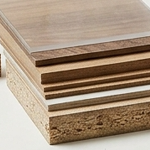
Specialty Laminates
Specialized Laminates for Specific Applications
Resin Type
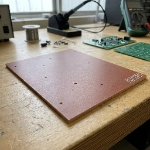
Phenolic Resin (FR-2)
A low-grade material typically used for single-sided circuit boards, with limited durability.
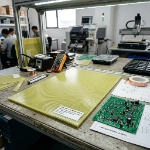
Epoxy Resin (FR-4 Series)
Excellent mechanical properties, superior electrical properties, and good heat resistance.
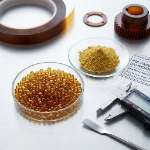
Polyimide (PI) Resin
High-temperature resistant
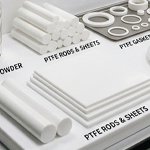
Polytetrafluoroethylene
Possesses exceptional high-frequency performance.
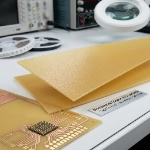
Bismaleimide Triazine (BT)
High-temperature resistance and dimensional stability—the ideal choice for multi-layer PC applications.
Glass Transition Temperature (Tg)
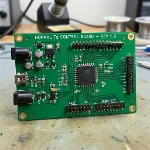
Normal Tg board
Operating Temperature: 130-140℃
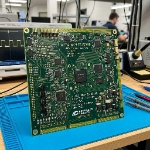
Mid Tg board
Operating Temperature: 150-160℃
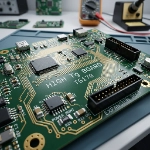
High Tg board
Operating Temperature: ≥170℃
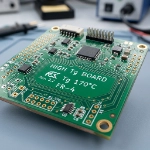
Ultra-high Tg board
Operating Temperature: 250-260℃
Key Factors in PCB Material Selection
Material selection is a critical engineering decision that directly impacts performance, reliability, and manufacturability.
- Electrical performance is often the first consideration. Parameters such as dielectric constant and dissipation factor determine signal speed and loss, especially in high-frequency designs.
- Thermal stability is equally important. Glass transition temperature and decomposition temperature define how well a material performs under heat stress, while thermal expansion behavior affects long-term reliability.
- Mechanical durability, including dimensional stability and moisture resistance, ensures that the board maintains integrity during manufacturing and operation.
Cost and availability also play an important role, especially in high-volume production environments where material selection must balance performance and budget.
Manufacturing Capability with Advanced Materials
Working with advanced PCB materials requires more than just material availability—it demands strong manufacturing capability.
High-performance materials often require:
- Precise process control
- Specialized lamination techniques
- Controlled impedance design capability
- Strict thermal management during fabrication
A capable PCB manufacturer ensures that advanced materials such as Rogers and Isola are processed correctly to achieve their intended electrical performance.
Engineering Support for Material Selection
Choosing the right PCB material is not a simple procurement decision—it is an engineering optimization process.Early-stage material selection can significantly reduce design risk, improve signal integrity, and enhance thermal performance. With proper engineering support, designers can avoid over-specification while still achieving performance targets.